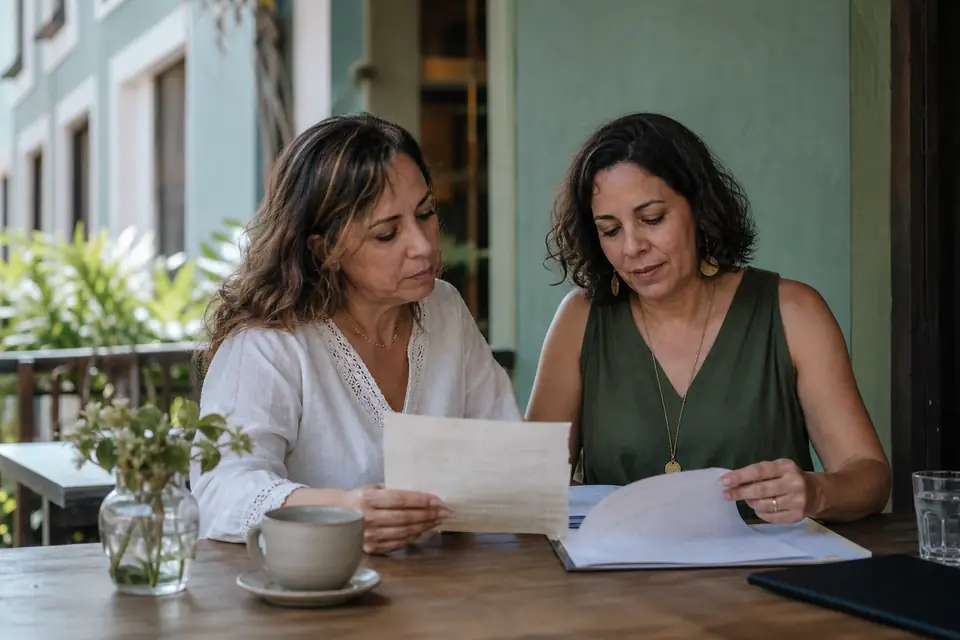
2020 Civil Code vs. 1930 Code: Which Applies to Your Estate
The date of death decides which rules are used to divide an estate in Puerto Rico. We explain the main differences between the two codes, with a table and worked examples.

What a decedent's estate is, what happens to the property after a death, the deceased's debts, the spouse's community property, which Civil Code applies and how to accept or refuse an inheritance.
The date of death decides which rules are used to divide an estate in Puerto Rico. We explain the main differences between the two codes, with a table and worked examples.
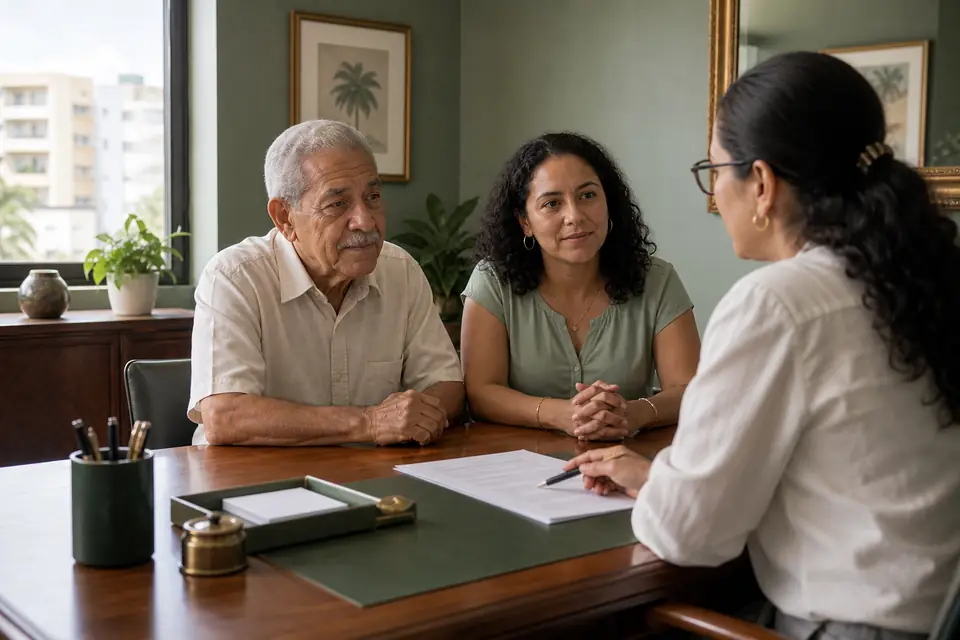
No one is required to be an heir. We explain how you accept or refuse an inheritance, which acts count as accepting, what happens to your share if you refuse, and when refusing makes sense.
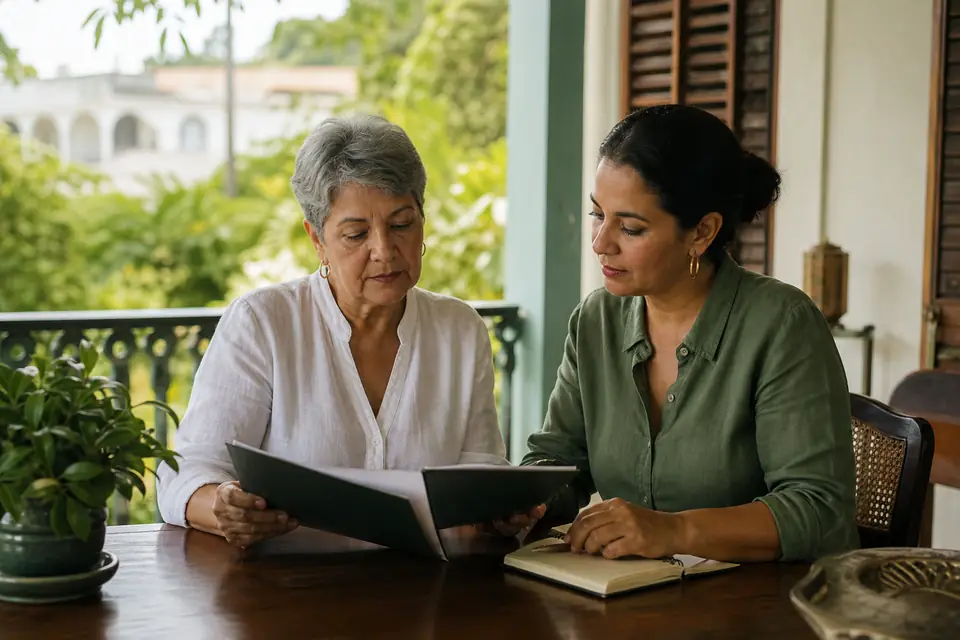
If the deceased was married under community property, half of that property already belongs to the surviving spouse. We explain how the regime is settled before the estate is divided, with a worked example.

In Puerto Rico, heirs do not pay the deceased's debts with their own money. We explain the legal limit, its exception and what to do about mortgages, cards, Hacienda and collectors.
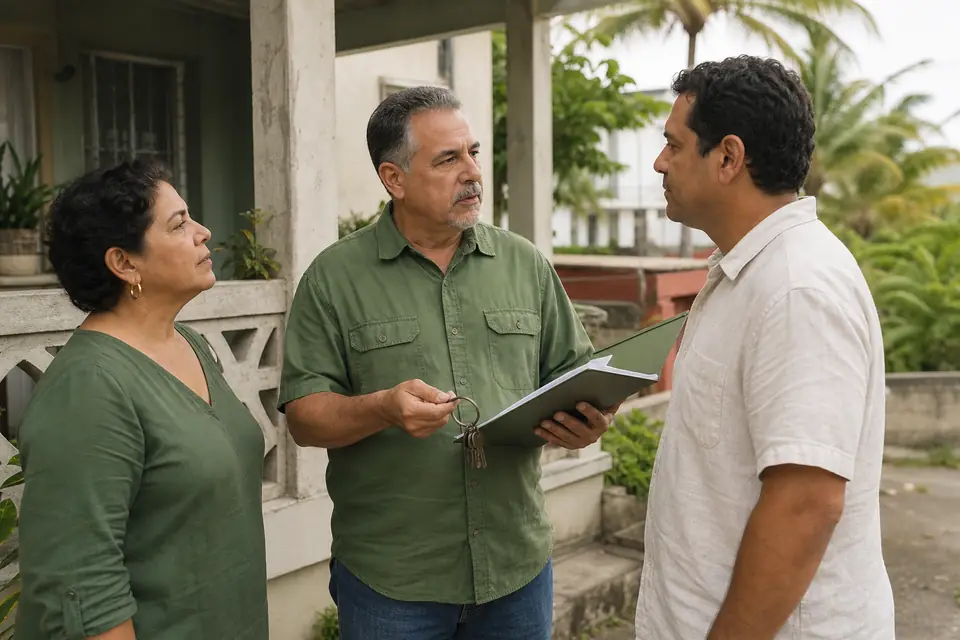
From the death until the division of the estate, the heirs own everything together. Here is who manages, how decisions are made, who pays expenses and what happens if you rent the house.
The caudal relicto is everything a person leaves behind at death, along with the debts. We explain what is included, what is not and how to work out what is actually divided.
Each heir's share under the 2020 Civil Code, with community property first.
How much a bank or insurer may release before Hacienda's lien release.